Last week, Congress passed a bill that marks a profound change in how the federal government is using its resources. The One Big Beautiful Bill includes wide-ranging changes to federal programs and services – including those that allow families to meet their children’s basic needs.
Children in families with low incomes, immigrant children, and U.S.-born children of immigrants will feel these changes most directly – and some could lose or see changes to several supports. The same family might lose eligibility for the Child Tax Credit; get less money through SNAP to help cover groceries; and have a family member lose Medicaid coverage.
And many more children and families will likely feel the ripple effects of these cuts and changes, whether through higher health care costs or changes at schools or providers that have previously been supported by federal funds.
What does this new set of federal priorities mean for Colorado kids? As our team continues to analyze the bill and its implications, here’s some of what we’re watching:
Health coverage
New work requirements for parents of older children and increased eligibility checks will strain Colorado’s system, and changes to the Affordable Care Act marketplace will make health coverage less affordable.
The final version of this bill will require parents with children over the age of 13 to meet work requirements as of the end of 2026. It also increases eligibility checks to every six months. Colorado will likely strain to implement these requirements while keeping everyone who is eligible for care insured.
Refugees and some other lawfully present immigrants would also no longer be eligible for CHIP, which provides health coverage to low-income children who are not eligible for Medicaid. The bill also reduces retroactive coverage, which covered medical expenses before a person’s application date, including for pregnant people. And it makes changes to Affordable Care Act health insurance marketplaces that have helped Colorado families afford care, especially in rural areas where insurance premiums can be extremely high. Some schools also rely on Medicaid to support funding for staff and technology. (More on the bill’s provisions from the Department of Health Care Policy & Financing.)
One piece of good news: The bill does not penalize states, like Colorado, that use state funds to provide undocumented immigrant children with public health coverage. Unfortunately, there are still many provisions in the bill which make health care access more difficult for many immigrant populations.
Food and hunger
New work requirements, changes to the state’s funding responsibility, and changes to eligibility will likely lead to reduced SNAP benefits or coverage for kids.
SNAP, or the Supplemental Nutrition Assistance Program, helps families with low incomes afford food. This bill shifts additional funding responsibility and some administrative costs for this program to states – which Colorado will likely struggle to provide, given recent budget challenges the state has faced. The bill also freezes the amount of SNAP benefits based on the cost of food. It expands work requirements to include families with children over the age of 14. And some lawfully residing immigrant groups, such as refugees and asylees, are no longer eligible for benefits.
Child Tax Credit
The credit increases temporarily for some families – but not those who need it most.
The bill increases the maximum amount of the Child Tax Credit temporarily, but the credit would be unavailable to families with the lowest incomes. The bill also requires the child and a parent (both parents if filing jointly) to provide a social security number to be eligible. The Child Tax Credit plays an important role in helping families with young children meet their families’ basic needs, but many families who need this support would not receive it.
Pathways to caring professions
Changes to student loans could affect the early childhood workforce and other professionals who provide essential care.
The bill bans federal student loans for programs where graduates earn less than the median high school graduate salary. In nearly every state, including Colorado, child care professionals earn below this threshold. This bill could worsen Colorado’s child care worker shortage.
Immigration
Increases in funding for immigration enforcement will affect children’s well-being.
Colorado is home to more than 40,000 children who are immigrants, and many more children who have family members who were not born in this country. The bill includes a dramatic increase in funding for immigration enforcement that could have implications for children’s school attendance, health care, and more.
…and more. Our team is continuing to analyze the implications of this bill and the new needs it may create for Colorado’s children and for its public services.
Colorado’s representatives continue to need to hear from you about the importance of supporting children’s well-being. We also want to hear about your concerns: Fill out our survey about impacts you’re seeing. You can always reach out to connect or donate to support our work.
RELATED CONTENT
May 15, 2026
2026 End-of-Session Webinar Recap

September 10, 2025
Statement on Gun Violence at Evergreen High School

August 18, 2026
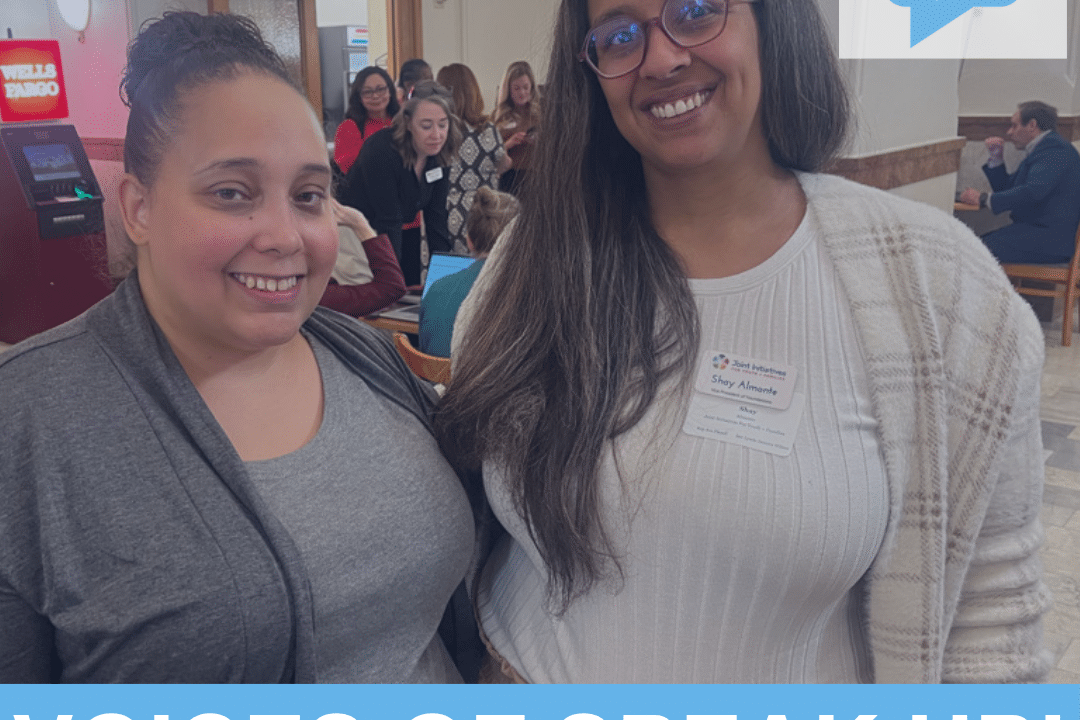
Voices of Speak Up: Ashley Pomales & Shay Almonte


August 4, 2026
Proposition NN: Say Yes to Colorado Kids

August 4, 2026
Voices of Speak Up: Haley Duran

July 23, 2026
The Campaigner: Different Opportunities, Not Lesser

July 21, 2026